Which Vitamin Is Not Good For Fatty Liver?
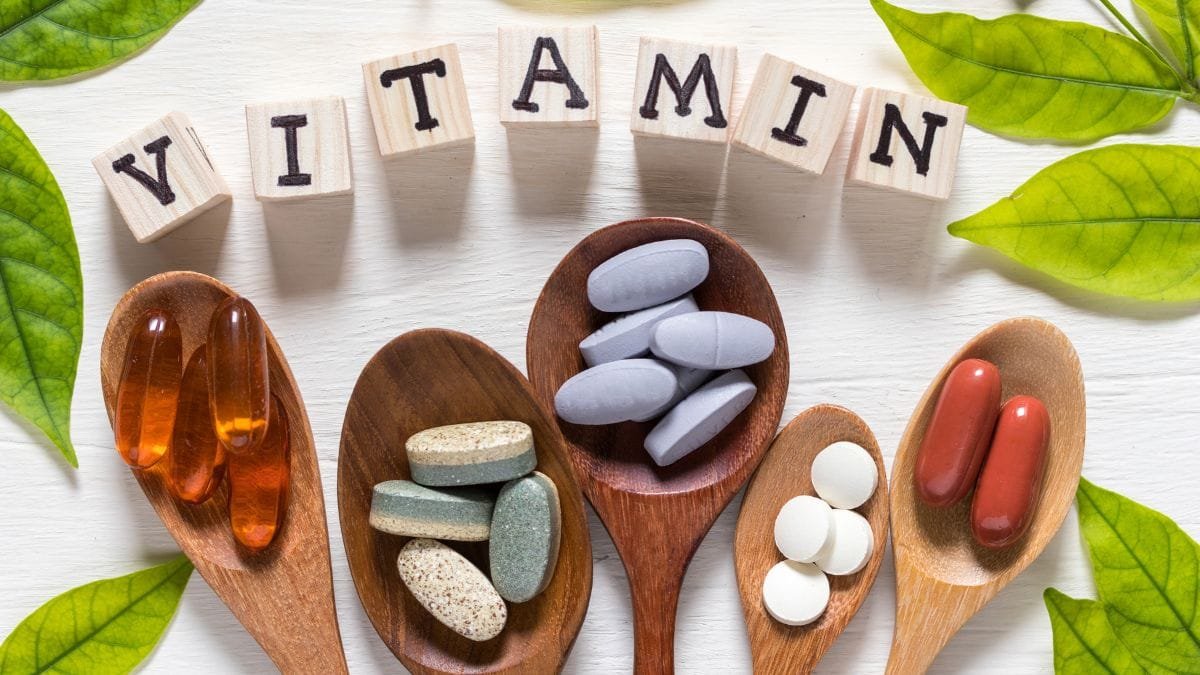
The vitamin most clearly linked to liver harm in fatty liver disease is Vitamin A — specifically when taken in high doses as a supplement. Excess preformed Vitamin A (retinol), which the liver stores directly, accumulates in hepatic stellate cells and accelerates liver fibrosis — the scarring process that can progress fatty liver toward cirrhosis. Vitamin E in very high doses and niacin (Vitamin B3) in pharmacological amounts also carry documented liver risks. The critical distinction is between vitamins obtained from food versus megadose supplementation — the liver handles both very differently.
Why the Liver Is Uniquely Vulnerable to Excess Vitamins
Most water-soluble vitamins — like Vitamin C and the B-complex group — are excreted through urine when consumed in excess. The liver does not have to process or store them in significant quantities. Fat-soluble vitamins are different. Vitamins A, D, E, and K are stored in liver tissue and fat cells. When these accumulate beyond the liver’s capacity to use them, they become a direct burden on already-stressed hepatic cells.
In a healthy liver, this storage function works efficiently. In a liver already managing excess fat, inflammation, and impaired enzyme activity — as in NAFLD — the same storage mechanism becomes a liability. A study published in Hepatology found that hepatic Vitamin A accumulation in stellate cells was directly associated with accelerated fibrosis progression in NAFLD patients.
Vitamin A: The Most Important One to Watch
Vitamin A toxicity — known as hypervitaminosis A — is almost exclusively caused by supplements, not food. You cannot get toxic levels of Vitamin A from eating carrots, spinach, or papaya. These foods contain beta-carotene, a precursor that the body converts to Vitamin A only as needed — a self-regulating mechanism that prevents overdose.
The problem arises with preformed Vitamin A supplements — retinol capsules, high-dose multivitamins, and cod liver oil taken in large amounts. Many Indians self-prescribe these for skin, hair, or eye health without realising the liver implications. If you already have fatty liver, even moderately elevated Vitamin A supplementation over months can worsen hepatic stellate cell activation — the cellular process that drives liver scarring.
Rule of thumb: If you have a fatty liver diagnosis, stop all Vitamin A supplements unless specifically prescribed by your hepatologist. Get your Vitamin A from food — sweet potato, carrot, spinach, and eggs provide safe, self-regulated amounts.
Niacin (Vitamin B3): Effective But Dose-Dependent
Niacin is prescribed at pharmacological doses (1,000–3,000 mg per day) to raise HDL cholesterol and lower triglycerides. At these doses, niacin is known to cause hepatotoxicity — a condition called niacin-induced liver injury — characterised by elevated liver enzymes, jaundice, and in rare cases, liver failure.
This does not mean niacin from food is harmful. The niacin naturally present in dal, groundnuts, chicken, and whole grains is well within safe limits and actually supports liver metabolism. The concern is specifically with high-dose niacin supplements, which some people take independently for cholesterol management without medical supervision. If you have fatty liver and are taking any B3 supplement above 100 mg daily, this warrants a conversation with your doctor.
Vitamin E: A Nuanced Picture
Vitamin E at 800 IU per day is actually a clinically studied treatment for non-alcoholic fatty liver disease in non-diabetic adults — it reduces hepatic inflammation through its antioxidant action. However, doses above 1,000 IU daily have been associated with increased all-cause mortality in long-term studies, and some evidence links very high-dose supplementation with worsened liver outcomes in specific patient populations.
The message here is not to avoid Vitamin E entirely — at moderate doses it is genuinely liver-protective. The message is to avoid self-prescribing high-dose fat-soluble vitamin supplements without knowing your baseline liver enzyme levels and existing fat accumulation. You can read more about how gut inflammation and liver health are connected in our post on bloating after meals and dysbiosis.
What Actually Supports a Fatty Liver From a Nutrition Standpoint
While certain vitamins in excess harm the liver, several nutrients consistently support liver recovery:
- Choline — found in eggs and dal — is essential for fat export from liver cells. Choline deficiency is directly linked to NAFLD progression.
- Vitamin D (at physiological doses, not megadoses) — deficiency is extremely common in Indian adults and strongly correlated with NAFLD severity.
- Silymarin (Milk Thistle) — not a vitamin but the most evidence-backed liver-protective compound in functional medicine, with over 30 clinical trials supporting hepatocyte regeneration.
For those managing fatty liver and looking to support liver health through daily habit rather than supplementation alone, a functional herbal blend targeting hepatic inflammation and bile flow is a more targeted approach than a general multivitamin. Sensoriom Flux is formulated with Milk Thistle, Dandelion, Turmeric with Black Pepper, and Hibiscus — ingredients chosen specifically for their liver-protective mechanisms, not general wellness.
Understanding how the liver connects to broader metabolic health — including gut function and hormonal balance — is important for anyone with a fatty liver diagnosis. Our post on the thyroid-gut-cortisol connection explains why liver health rarely exists in isolation.
Frequently Asked Questions
Is Vitamin D safe to take if I have fatty liver? Vitamin D at physiological doses (typically 1,000–2,000 IU daily, as advised by your doctor) is generally safe and may actually support liver health, since Vitamin D deficiency is strongly associated with NAFLD severity. Megadosing without testing your levels first is not advisable with any fat-soluble vitamin.
Can I take a multivitamin if I have fatty liver? Most standard multivitamins are safe, but check the Vitamin A content. If it contains more than 2,500 IU of preformed retinol (not beta-carotene), it is worth discussing with your doctor before continuing. Avoid separate high-dose Vitamin A or niacin supplements entirely until your liver enzymes normalise.
Which foods provide Vitamin A safely without harming the liver? Beta-carotene sources — carrots, sweet potato, papaya, spinach, and pumpkin — are completely safe because the body self-regulates conversion to Vitamin A. These will not cause hypervitaminosis A regardless of how much you eat.
This article is for informational purposes only and does not constitute medical advice. Please consult a qualified healthcare professional before making changes to your diet or health regimen.
Author: Dr. Navneet Goyal, MBBS, DNB | Harvard Business School