
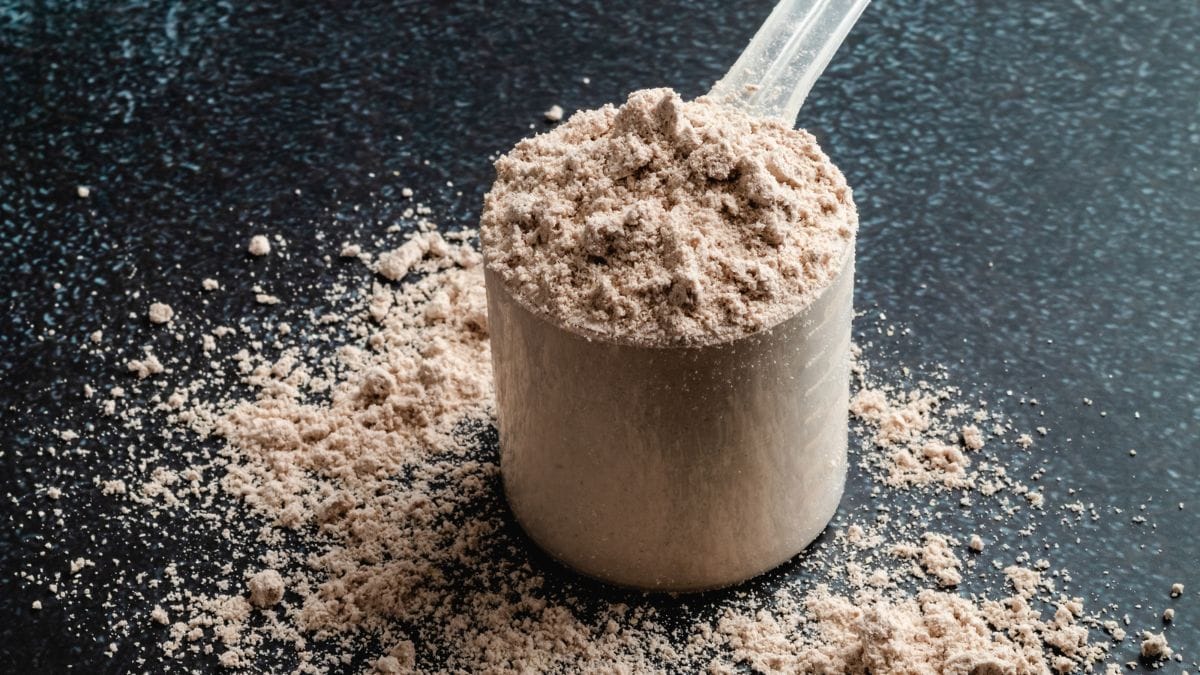
Can High Protein Diet Cause Inflammation? A Physician Explains
Yes, a high protein diet can cause inflammation, but not in the way most people assume. The problem is rarely the protein itself. It is what happens to undigested protein inside your large intestine, and the inflammatory cascade that follows when your gut cannot keep up with the volume you are consuming.
The Absorption Ceiling Nobody Talks About
The small intestine has a functional limit on how much protein it can absorb per meal. Conservative clinical estimates place this at 25 to 40 grams per sitting, varying by protein source, digestive enzyme output, and individual gut health. Whey absorbs faster than casein. Animal protein behaves differently from plant protein. But the ceiling is real.Whatever crosses that ceiling does not disappear. It moves undigested into the large intestine, where it becomes a substrate for proteolytic bacteria.
What Proteolytic Fermentation Does to Your Gut
Proteolytic bacteria in the colon ferment undigested protein the same way saccharolytic bacteria ferment fiber. The difference is in the byproducts. Fiber fermentation produces short-chain fatty acids, which are anti-inflammatory and protective of the gut lining. Protein fermentation produces ammonia, putrescine, hydrogen sulfide, phenols, and cresol.
These compounds are directly toxic to the intestinal mucosa.
Research published in Fermentation (2025) confirms that excessive accumulation of ammonia and branched-chain fatty acids from proteolytic fermentation is linked to gut dysbiosis, inflammation, and impaired gut barrier integrity.
Earlier research published in Frontiers in Microbiology identified ammonia, putrescine, cresol, indole, and phenol as the primary products of bacterial putrefaction of undigested protein, all of which have been implicated in disrupting gut homeostasis and in the pathogenesis of gastrointestinal disease.
How a Gut Problem Becomes a Whole-Body Problem
A healthy gut barrier keeps these fermentation byproducts contained within the intestinal lumen. Chronic proteolytic overload degrades that barrier progressively. Once intestinal permeability increases, gut-derived toxic metabolites enter systemic circulation. Research on gut dysbiosis and metabolic disease published in Nutrients (2020) describes how this increased permeability allows gut-derived compounds to trigger oxidative stress, systemic low-grade inflammation, and metabolic dysfunction beyond the gut itself.
This is not dramatic inflammation. It does not show up as a high CRP or an elevated white cell count. It is the kind that sits quietly at the edge of normal reference ranges. Fatigue that does not resolve. Joint pain that moves around. Skin that will not settle. Brain fog on otherwise normal days.
A Clinical Pattern Worth Recognising
A Real Clinical Story
A 38-year-old fitness coach presented with rotating joint pain, persistent fatigue, and recurrent skin flares despite clean standard labs. He had been consuming 220 grams of protein daily for two years across three meals and two shakes. Evening bloating after the casein shake was consistent but had been dismissed as normal.
The clinical picture pointed to proteolytic overload in a gut with insufficient fiber to buffer it. Spreading intake across five smaller meals, increasing prebiotic fiber, and adding digestive enzyme support shifted the fermentation balance back toward short-chain fatty acid production. Symptoms resolved over six weeks without changing total protein intake.
The protein was not the problem. The delivery pattern and the gut environment were.
What Actually Raises the Risk
Not all high protein diets produce this outcome. The inflammatory risk rises when several factors converge together:
Protein is consumed in two or three large boluses rather than distributed across the day. The diet is low in prebiotic fiber, which starves saccharolytic bacteria and allows proteolytic species to dominate. The protein source is predominantly red or processed meat. A 2025 meta-analysis of randomized controlled trials found that higher red meat intake is associated with modestly elevated CRP levels, independent of total protein quantity. Digestive enzyme output is compromised, as commonly occurs after forty or in anyone with a history of gut disruption or repeated antibiotic courses.
Remove one of these variables and the risk drops considerably. Allow all of them to coexist and the gut environment will generate a low, persistent inflammatory signal that standard testing will rarely identify.
Frequently Asked Questions
Does high protein intake always cause inflammation?
No. High protein intake causes inflammation when protein absorption exceeds digestive capacity and undigested protein undergoes bacterial fermentation in the large intestine. Total intake matters less than distribution across meals, fiber intake, protein source, and individual digestive function.
How much protein can the body absorb per meal?
Clinical estimates range from 25 to 40 grams per meal depending on the protein source, digestive enzyme output, and gut transit speed. Exceeding this consistently without adequate fiber increases the proteolytic fermentation load in the colon.
What are the signs that protein is causing gut inflammation?
Consistent bloating after high protein meals or shakes, rotating joint pain without injury, low-grade fatigue, skin flares, and a CRP that sits at the borderline without a clear cause are common patterns. These are non-specific but worth investigating in the context of a high protein dietary pattern.
Does protein source matter for inflammation risk?
Yes. Red and processed meats carry a higher inflammatory risk than plant-based proteins or lean animal sources. Meta-analysis evidence links higher red meat consumption to elevated CRP levels. Whey and plant proteins in moderate quantities with adequate fiber carry substantially lower risk.
Can you eat high protein and avoid gut inflammation?
Yes. Distributing protein across four to five meals, maintaining adequate prebiotic fiber intake, choosing varied protein sources, and supporting digestive enzyme function are the practical levers that reduce proteolytic overload regardless of total daily protein quantity.
Disclaimer: This article is written for general health education purposes. It does not constitute personalised medical advice. If you are experiencing persistent symptoms, consult a qualified physician.
Author: Dr. Navneet Goyal, MBBS DNB (Anesthesiologist and Critical Care Specialist. Co-founder, Sensoriom)