

A Full Guide: What are Functional Beverages in India?
Your dadi’s haldi doodh was among functional beverages.
She just didn’t know it had a fancy name.
Think about it. Every time your grandmother handed you a warm glass of turmeric milk before bed, she was essentially doing what Silicon Valley wellness startups are now charging ₹350 a bottle for. She just didn’t have the marketing budget, the Instagram account, or the FSSAI registration number.
What are Functional Beverages?
Welcome to the world of functional beverages, one of the fastest-growing, most exciting, and most misunderstood segments in India’s food and drink industry right now.
Whether you’re someone trying to swap your third cup of chai with something that doesn’t spike your cortisol, a fitness enthusiast tired of chalky protein shakes, or just a curious consumer who keeps seeing words like “adaptogen,” “probiotic,” and “nootropic” on bottles at Nature’s Basket, this guide is for you.
Let’s break it all down.
What Qualifies as a Functional Beverage?
Here’s the simplest definition:
“A functional beverage is any drink that does something for your body beyond just hydrating or tasting good.”
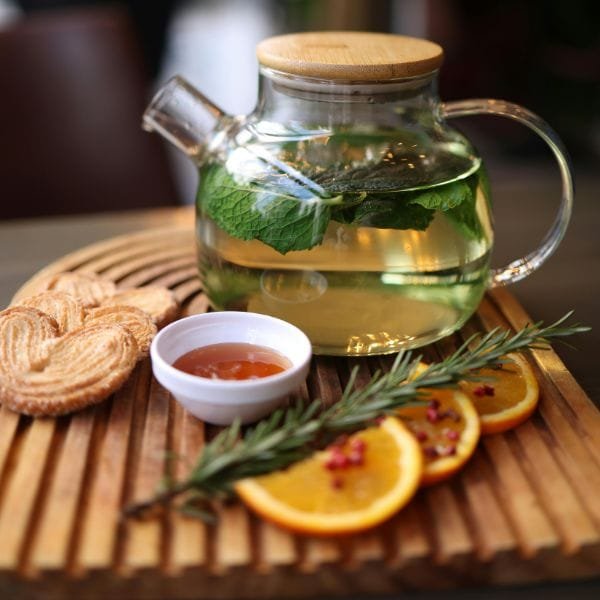
That “something” could be boosting your immunity, supporting gut health, reducing stress, improving focus, aiding digestion, enhancing athletic performance, or promoting better sleep. The drink has a purpose beyond quenching thirst — it delivers a measurable health benefit, usually through specific added ingredients.
Compare that to your regular cola or nimbu paani. Both hydrate you and both taste great. But neither of them is delivering probiotic cultures to your gut or flooding your bloodstream with adaptogens to manage cortisol. That’s the difference.
In more technical terms, functional beverages are drinks that have been formulated or naturally contain bioactive compounds — things like vitamins, minerals, antioxidants, probiotics, prebiotics, herbal extracts, amino acids, or botanical ingredients — that provide a specific health function.
Some examples to make this real:
- A probiotic lassi that supports digestion → functional beverage
- Plain lassi → not a functional beverage (though delicious)
- Ashwagandha-infused water with electrolytes → functional beverage
- Plain bottled water → not functional (just hydration)
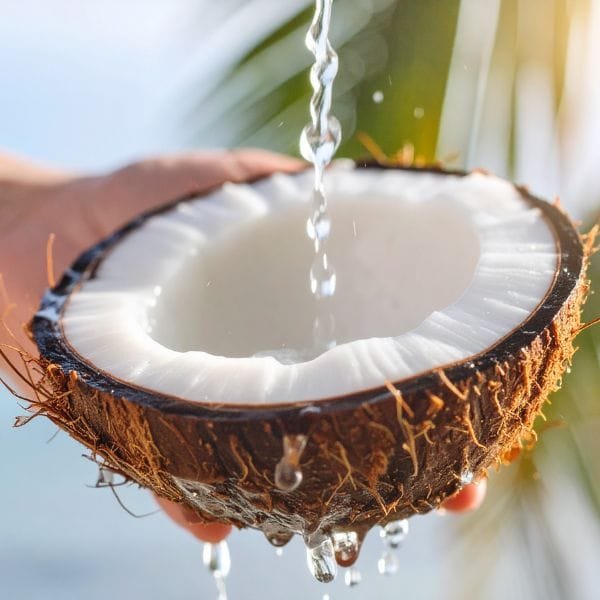
- Coconut water with added B vitamins and electrolytes → functional beverage
- Plain coconut water → technically borderline, often classified as naturally functional
Now you get the idea. right!?
India’s Functional Drink Revolution in Data
Before we go deeper into types and ingredients, let’s talk about how massive this market already is, because the numbers are genuinely staggering for a category that most Indians couldn’t have named five years ago.
India’s functional beverages market was worth $6.9 billion in 2025.
By 2034, it’s expected to hit $18.8 billion.
That’s a compound annual growth rate of over 10.7%.
To put that in context, India’s functional drinks market is growing faster than almost any other food and beverage segment in the country. Faster than packaged juices. Faster than carbonated soft drinks. Faster than traditional energy drinks.
And globally? India leads all major markets in growth rate for functional beverages between 2026 and 2036. Not the US. Not China. India.
What’s driving the Indian Functional Drinks Market?
Here’s what’s driving it:
1. Urbanisation and pace of life
Roughly 500 million Indians now live in cities. Long commutes, screen-heavy jobs, late nights, erratic eating — urban India is exhausted and stressed, and increasingly turning to beverages that can solve specific daily problems.
2. Rising health consciousness (especially post-2020)
The pandemic permanently changed how Indians think about immunity, gut health, and preventive wellness. People started reading ingredient labels. They started asking what was actually in their drinks.
3. A young, experimental population
India’s median age is 28. Millennials and Gen Z consumers are the primary buyers of functional beverages — and they’re far more open to trying new formats, trusting science-backed claims, and paying a premium for something that genuinely works.
4. Quick commerce and e-commerce accessibility
Five years ago, finding a probiotic drink outside of a metro city required a specialty health store. Today, Blinkit, Zepto, and Swiggy Instamart deliver niche functional beverages to your door in 10 minutes, anywhere in urban India. Distribution is no longer a barrier.
5. India’s deep Ayurvedic roots
More on this below, but India has a massive cultural advantage in this space that no other country can replicate.
Types of Functional Beverages in India
Not all functional drinks are the same. Here’s a breakdown of the major categories you’ll encounter in India, and what each one actually does.
1. Energy Drinks and Functional Shots
The most familiar category. But modern functional energy drinks have evolved far beyond the old Red Bull model of sugar + caffeine + taurine.
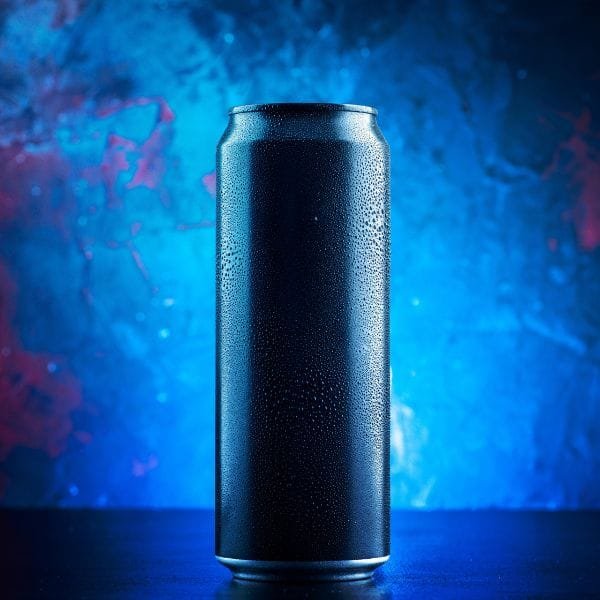
What they do: Provide a rapid energy boost, improve alertness and focus, reduce mental fatigue.
What to look for: Natural caffeine sources (green tea extract, guarana), adaptogens like ashwagandha or rhodiola, B vitamins (B6, B12), L-theanine (which smooths out the caffeine jitters), and minimal added sugar.
The red flag: Products that rely purely on high caffeine doses and artificial sweeteners, with no actual functional ingredients beyond stimulants.
In India: Energy Drinks & Shots are the fastest-growing segment in the functional drinks category right now — fuelled by the student population, gamers, and young professionals.
2. Sports and Hydration Drinks
Designed for people who sweat — athletes, gym-goers, people doing physical labour in the Indian heat.
What they do: Replace electrolytes (sodium, potassium, magnesium) lost through sweat, support muscle recovery, maintain performance during physical activity.
What to look for: A meaningful electrolyte profile, low-to-moderate sugar (some sugar is actually useful for carbohydrate replenishment during exercise), and ideally some amino acids like BCAAs for muscle repair.
In India; This segment is rapidly expanding beyond elite athletes. With gym culture booming in tier-1 and tier-2 cities, and Indian summers getting hotter, the everyday consumer is now a target. ORS-style drinks like Electral are increasingly competing with premium brands like Gatorade, and a new wave of Indian D2C players.
3. Probiotic and Gut-Health Beverages
Arguably the most talked-about functional category globally right now — and India has a centuries-old relationship with fermented foods that gives this category a natural home here.
What they do: Deliver live cultures of beneficial bacteria (probiotics) or feed existing gut bacteria (prebiotics) to improve digestive health, support immunity (70% of your immune system lives in your gut), reduce bloating, and increasingly, support mental well-being through the gut-brain axis.
What to look for: Specific probiotic strains (like Lactobacillus acidophilus, Bifidobacterium), a meaningful CFU (colony forming unit) count, and low heat exposure during storage (heat kills live cultures).
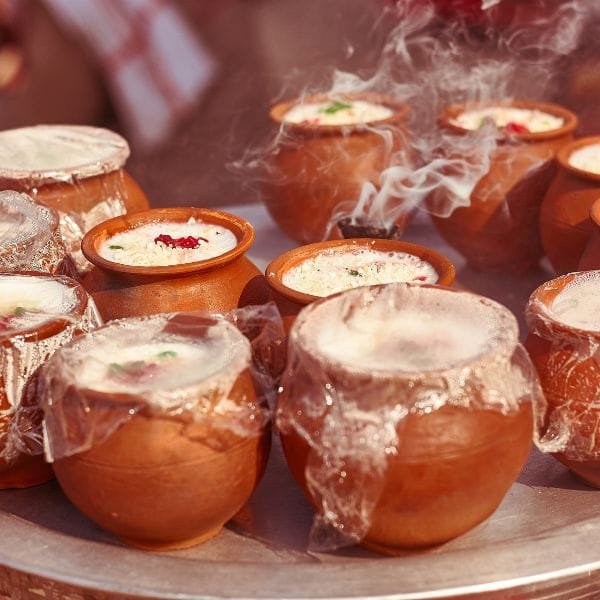
In India: Traditional fermented drinks like kanji (fermented carrot water), chaas (buttermilk), and ambil (fermented grain drink from Maharashtra) were India’s original probiotic beverages — way before Yakult arrived. Modern formats include kombucha, kefir-based drinks, and fortified probiotic lassis.
4. Nutraceutical Beverages
Nutraceutical is a mashup of “nutrition” and “pharmaceutical” — drinks that sit right on the border of food and medicine.
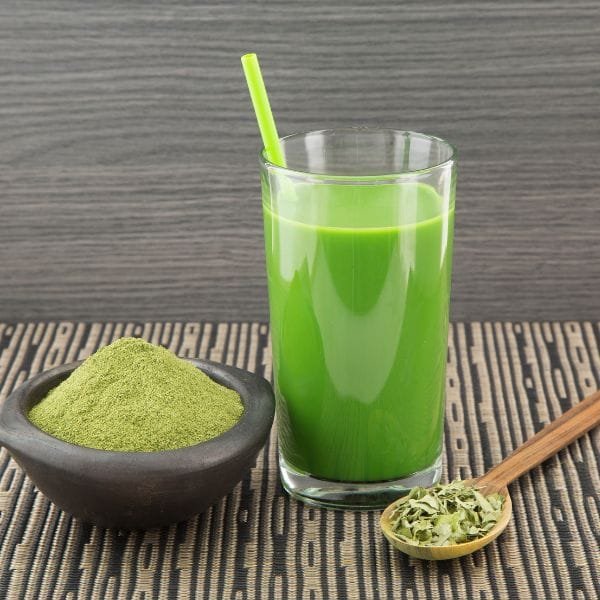
What they do: Deliver specific vitamins, minerals, antioxidants, or plant-based compounds to address a nutritional gap or support a specific health outcome — think immunity, bone health, cognitive function, skin health.
What to look for: Transparent labelling of active ingredients with meaningful dosages, third-party testing certifications, and FSSAI compliance.
In India: This was the largest functional drink segment by revenue in 2024, driven by fortified fruit juices, vitamin-enriched waters, and herbal tonics. Brands like Dabur, Himalaya, and a growing list of startups are heavy players here.
5. Ayurvedic and Herbal Functional Drinks
This is where India’s story gets uniquely powerful — and why the country has a first-mover advantage in the global functional beverage space that it hasn’t fully capitalised on yet.
What they do: Deliver the benefits of traditional medicinal plants and Ayurvedic formulations in a convenient, modern drink format.
Key ingredients taking over Indian shelves:
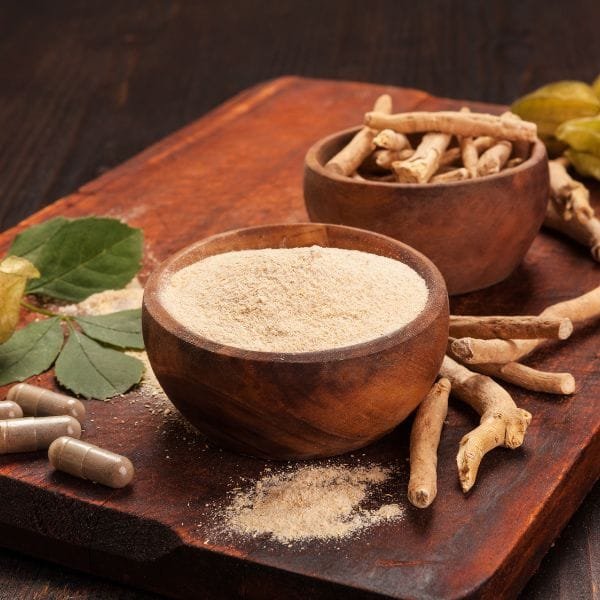
- Ashwagandha — stress reduction, cortisol management, improved sleep
- Tulsi (Holy Basil) — immunity, respiratory health, anti-inflammatory
- Turmeric (Curcumin) — anti-inflammatory, joint health, cognitive support
- Giloy (Guduchi) — immunity booster, fever management, anti-oxidant
- Amla (Indian Gooseberry) — Vitamin C powerhouse, skin and hair health
- Moringa — protein, iron, calcium, a complete nutritional package
- Brahmi — cognitive function, memory, stress relief
- Neem — blood purification, skin health, antibacterial
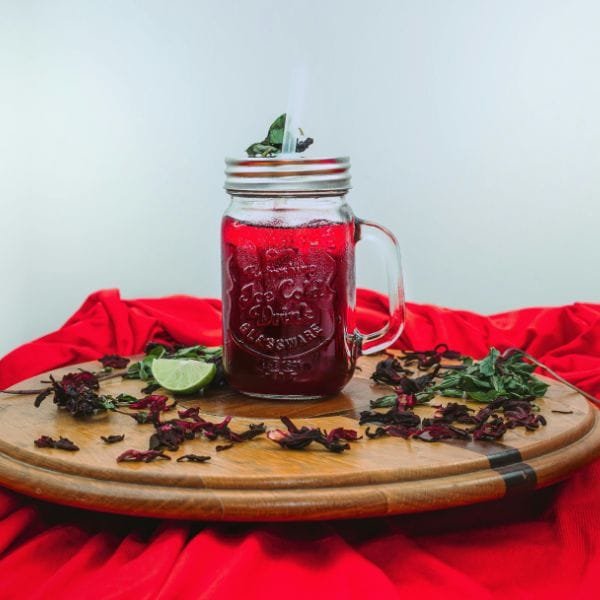
What to look for: Standardised extract concentrations (not just “contains ashwagandha” but how much and in what form), scientifically validated dosage ranges, and whether the brand has clinical backing for its claims.
In India: This segment is exploding. Every major FMCG company — from Dabur to HUL to ITC — is aggressively building in this space. And the opportunity is real: these ingredients have thousands of years of use behind them, and modern science is increasingly validating what Ayurveda always knew.
6. Cognitive and Focus Drinks (Nootropic Beverages)
The newest frontier, and one that’s barely begun to arrive in India.
What they do: Improve mental clarity, focus, memory, and cognitive performance without the jitters or crash associated with high-caffeine drinks.
Key ingredients: L-theanine, bacopa monnieri (brahmi), lion’s mane mushroom, phosphatidylserine, omega-3s, and various adaptogens.

The India connection: Brahmi and Ashwagandha — both Ayurvedic classics — are among the most scientifically validated nootropic ingredients in the world. India is sitting on a goldmine here.
In India: Currently a niche segment, but growing fast among students, tech professionals, and knowledge workers in metro cities.
7. Beauty and Collagen Drinks
Popular across East Asia and rapidly gaining traction in India.
What they do: Support skin health, hair strength, nail growth, and anti-ageing from the inside out through collagen peptides, hyaluronic acid, biotin, and antioxidants.
In India: Still early-stage but accelerating, particularly among urban women aged 25-40. The “beauty from within” narrative resonates strongly in a culture where internal wellness has always been considered the foundation of external appearance.
The Upcoming Indian Functional Beverage Industry
Why India’s Functional Beverage Industry Will Bloom: Advantages of Ayurvedic Functional Beverages
Here’s a fact that rarely gets discussed in global functional beverage conversations:
India is the only country in the world where the functional drinks trend and a 5,000-year-old medicinal tradition are pointing at exactly the same ingredients.
When a US wellness startup “discovers” ashwagandha and calls it an adaptogen, they’re discovering something Indian grandmothers have been using for centuries. When a Korean brand launches a turmeric shot, they’re riding a wave that Ayurveda identified millennia ago.
The global functional beverage market is essentially catching up to what India already knew.
This creates a profound opportunity — and a responsibility — for Indian brands, creators, and consumers. The authenticity of Ayurvedic functional drinks doesn’t need to be manufactured. It’s woven into our food culture, our traditional recipes, our family rituals.
Think about the drinks India has always had:
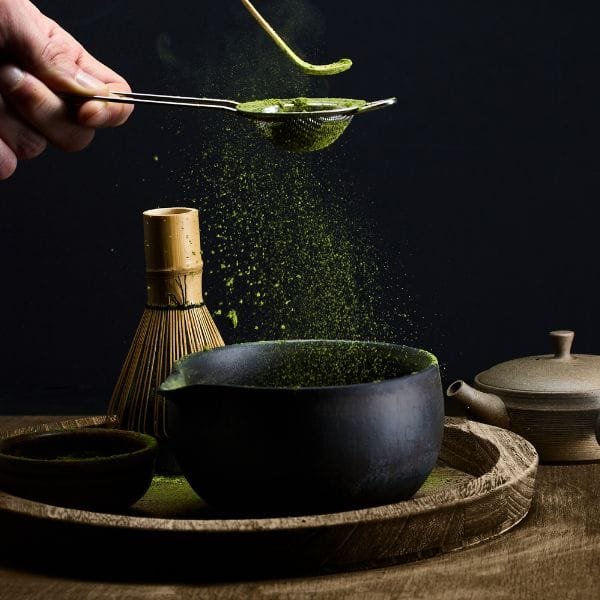
- Haldi doodh (turmeric milk) — anti-inflammatory, sleep-supporting
- Sattu sharbat — protein-rich, cooling, digestive
- Kanji — probiotic, gut-healing, traditionally consumed during Holi
- Jal jeera — digestive enzymes, cooling, anti-bloating
- Thandai — adaptogenic, protein-rich, mood-elevating
- Adrak-tulsi tea — immunity, respiratory support
Every single one of these is a functional beverage by modern definition. We just never packaged them that way.
The exciting shift happening right now is that Indian brands are beginning to take these traditional formulations and bring them into modern formats — clean bottles, precise dosages, convenient RTD (ready-to-drink) packaging, e-commerce accessible, and backed by actual clinical data.
This is where Indian functional beverages can do something that no other country’s functional drink industry can: deliver authenticity that’s genuinely rooted in millennia of practice, not just a trend cycle.
Functional Beverages vs Functional Drinks: What’s the Difference?
This is one of the most common questions — and the confusion is understandable because energy drinks are technically a subcategory of functional beverages.
But here’s how to think about it practically:
Traditional energy drinks (think: Monster, Red Bull, KingFisher Power):
→ High caffeine (often 80–160mg+ per can)
→ High sugar
→ Designed for a rapid, short-term energy spike
→ No long-term health benefit — often comes with a crash
→ Little to no therapeutic ingredient beyond caffeine and sugar
Modern functional drinks:
→ May or may not contain caffeine
→ Often low sugar or sugar-free
→ Designed to deliver a specific health benefit over time
→ Clean label, transparent about ingredients
→ May contain adaptogens, probiotics, vitamins, botanicals
→ Benefits extend beyond a temporary energy hit
The key test:
If you removed the active functional ingredient from the drink, would it still do anything for your body? For most energy drinks, take away the caffeine and you’ve got coloured sugar water. For a genuine functional beverage — take away the ashwagandha from an adaptogenic drink, and you’re removing the entire reason the product exists.
That said — many modern functional energy drinks are genuinely trying to bridge this gap. Drinks with natural caffeine (from green tea or guarana), L-theanine to balance jitters, and adaptogens to manage stress are real functional beverages that happen to also provide energy. The category is maturing.
Features of a Genuine Functional Beverage (and how to avoid clever marketing?)
Here’s the uncomfortable truth: the booming functional beverage market has attracted a wave of products that look functional, sound functional, have “wellness” all over the packaging — but deliver very little actual benefit.
As an Indian consumer, here’s your quick cheat sheet for reading labels:
✓ CHECK 1: Is the key ingredient present in a meaningful dose?
Saying “contains ashwagandha” means nothing if there’s only 10mg per bottle. A meaningful dose of ashwagandha extract (KSM-66 or Sensoril) is typically 300–600mg. Always look for specific dosages on the label. If they’re hiding them, ask yourself why.
✓ CHECK 2: What’s the sugar content?
A drink claiming to support gut health that contains 30g of sugar per serving is somewhat defeating the purpose. Look for low-sugar options (under 10g per serving) or drinks sweetened with natural alternatives like stevia or monk fruit.
✓ CHECK 3: Are there artificial additives hiding in there?
Artificial colours (like Sunset Yellow, which is still used in several Indian beverages), synthetic preservatives, and undisclosed flavour compounds are red flags in a drink claiming to be “natural” or “clean label.”
✓ CHECK 4: Is the brand transparent about sourcing?
The best functional beverage brands will tell you exactly where their turmeric comes from, what extraction method was used for their ashwagandha, and how the probiotic cultures are preserved. Opacity in a wellness brand is a warning sign.
✓ CHECK 5: What does FSSAI say?
In India, the Food Safety and Standards Authority (FSSAI) regulates health claims on food and beverage products. If a drink claims to “cure” or “treat” a disease, that’s illegal — functional beverages can only make general wellness claims or nutrient function claims. Any brand making medical-sounding promises should be treated with scepticism.
The Best Functional Drinks for Every Kind of Indian Consumer
You don’t need to overhaul your entire pantry. Here’s where to start based on your specific need:
If your goal is BETTER DIGESTION:
→ Start with a probiotic drink (fortified lassi, kombucha, or a kanji-based drink)
→ Look for Lactobacillus or Bifidobacterium strains
→ Bonus: traditional chaas with curry leaves is still one of the most effective gut-health drinks available in India
If your goal is SUSTAINED ENERGY without the crash:
→ Try an adaptogen-based drink with ashwagandha + L-theanine
→ Look for natural caffeine (green tea extract) rather than synthetic caffeine
→ Avoid products with more than 150mg caffeine per serving
If your goal is STRONGER IMMUNITY:
→ Amla-based drinks are your friend — amla has 20x the Vitamin C of an orange
→ Tulsi and giloy extracts in liquid form are well-validated for immunity
→ Zinc-fortified functional water or nutraceutical drinks with Vitamin D
If your goal is STRESS RELIEF and BETTER SLEEP:
→ Ashwagandha (KSM-66) is the most well-researched adaptogen for cortisol management
→ Look for drinks with brahmi (bacopa monnieri) for cognitive calm
→ Chamomile and passionflower infusions work well for evening wind-down
If your goal is SPORTS RECOVERY:
→ Electrolyte drinks with potassium, magnesium, and sodium
→ Protein-enhanced functional drinks post-workout
→ Coconut water remains one of the most balanced natural electrolyte sources
If your goal is SKIN AND HAIR HEALTH:
→ Collagen peptide drinks (look for Type I and III hydrolysed collagen)
→ Amla-based drinks for natural Vitamin C (essential for collagen synthesis)
→ Biotin-enriched functional beverages
What’s Coming Next: The Future of Functional Drinks in India
The category is evolving fast. Here are the five trends reshaping functional beverages in India over the next 2–3 years:
Women-First Formulations
The market has historically been dominated by sports and energy drinks designed implicitly for men. That’s changing rapidly. Women-oriented functional drinks — targeting hormonal balance, iron supplementation, bone health, and beauty — represent what many analysts are calling the single most underserved segment in Indian functional beverages. Expect a wave of brands in this space.
Zero-Sugar Functional Drinks
As awareness grows around sugar’s impact on gut health, insulin resistance, and weight — Indian consumers are demanding sugar-free versions of their favourite functional drinks. The launch of products like Coolberg Diet (India’s first zero-sugar malt beverage) signals the direction. Every major functional drink category is developing no-sugar variants.
Prebiotic Sodas
A global phenomenon hitting India with full force. Prebiotic sodas are fizzy drinks that feed beneficial gut bacteria — giving you the carbonated satisfaction of a soft drink with genuine digestive benefits. India’s first prebiotic soda launched in 2025, and the segment is expected to be one of the fastest-growing by 2027.
Nootropic and Cognitive Drinks
As India’s knowledge economy grows and the pressure on mental performance intensifies, the demand for drinks that improve focus, reduce brain fog, and enhance memory is accelerating. Brahmi and ashwagandha are India’s natural entry point into this global category.
Hyperlocal Heritage Formulations
Expect regional India to have its moment. Drinks based on regional Ayurvedic traditions — Jigarthanda from Tamil Nadu, Bael sherbet from UP, traditional Nannari sharbat from South India, Sattu from Bihar — are being modernised and scaled. The opportunity to create authentic, hyperlocal functional drinks with genuine heritage and clinical validation is massive, and still largely untapped.
Conclusion: Are Functional Drinks Real?
Functional beverages aren’t a fad. They’re the natural evolution of what we drink as our relationship with health becomes more intentional, our access to information grows, and our desire to solve real daily problems with real ingredients increases.
India is particularly well-positioned in this global story. Our Ayurvedic tradition, our diverse regional food culture, our young and health-aware population, and our booming domestic market all point in the same direction.
The haldi doodh your grandmother made? She was ahead of the curve.
The question now is: which functional beverage is right for your life, your goals, and your body?
Start with what your problem is. Then find the drink that’s genuinely formulated to help. Read the label. Check the dosage. Trust the science.
And maybe — just maybe — raise a glass to your dadi. She was doing functional beverages before they had a hashtag.
Frequently Asked Questions
Q: Are functional beverages safe to consume daily?
A: For most people, yes — but it depends on the specific product and ingredients. Drinks with adaptogens, probiotics, and vitamins are generally safe for daily consumption. High-caffeine functional energy drinks should be moderated. Always check with a doctor if you have an existing health condition or are pregnant.
Q: Are functional beverages regulated in India?
A: Yes. The Food Safety and Standards Authority of India (FSSAI) regulates functional beverages under the Food Safety and Standards (Health Supplements, Nutraceuticals, Food for Special Dietary Use, Food for Special Medical Purpose, Functional Food and Novel Food) Regulations, 2022. Brands must comply with labelling requirements and are restricted in the health claims they can make.
Q: Are expensive functional drinks worth it?
A: Sometimes. The price premium is justified when the drink contains clinically validated ingredients at meaningful doses. It is not justified when you’re paying for branding and marketing around trivial amounts of active ingredients. Always check the ingredient label against the claimed benefit.
Q: Is coconut water a functional beverage?
A: It’s a borderline case. Plain coconut water is naturally rich in electrolytes and some vitamins, which gives it functional properties. However, most classifications reserve “functional beverage” for drinks that have been specifically formulated with added functional ingredients. Coconut water fortified with additional nutrients would clearly qualify.
Q: What’s the difference between a probiotic and a prebiotic drink?
A: Probiotic drinks contain live beneficial bacteria that colonise your gut. Prebiotic drinks contain the fibre and compounds that feed and nourish the beneficial bacteria already living in your gut. Both are important for gut health. Many modern functional beverages are combining both into “synbiotic” formulations.
Q: Can functional drinks replace medicines?
A: No. Functional beverages support health and wellness but are not medicines. They cannot treat, cure, or prevent disease — and any brand that claims otherwise in India is violating FSSAI regulations. Think of them as powerful complements to a healthy lifestyle, not replacements for medical care.